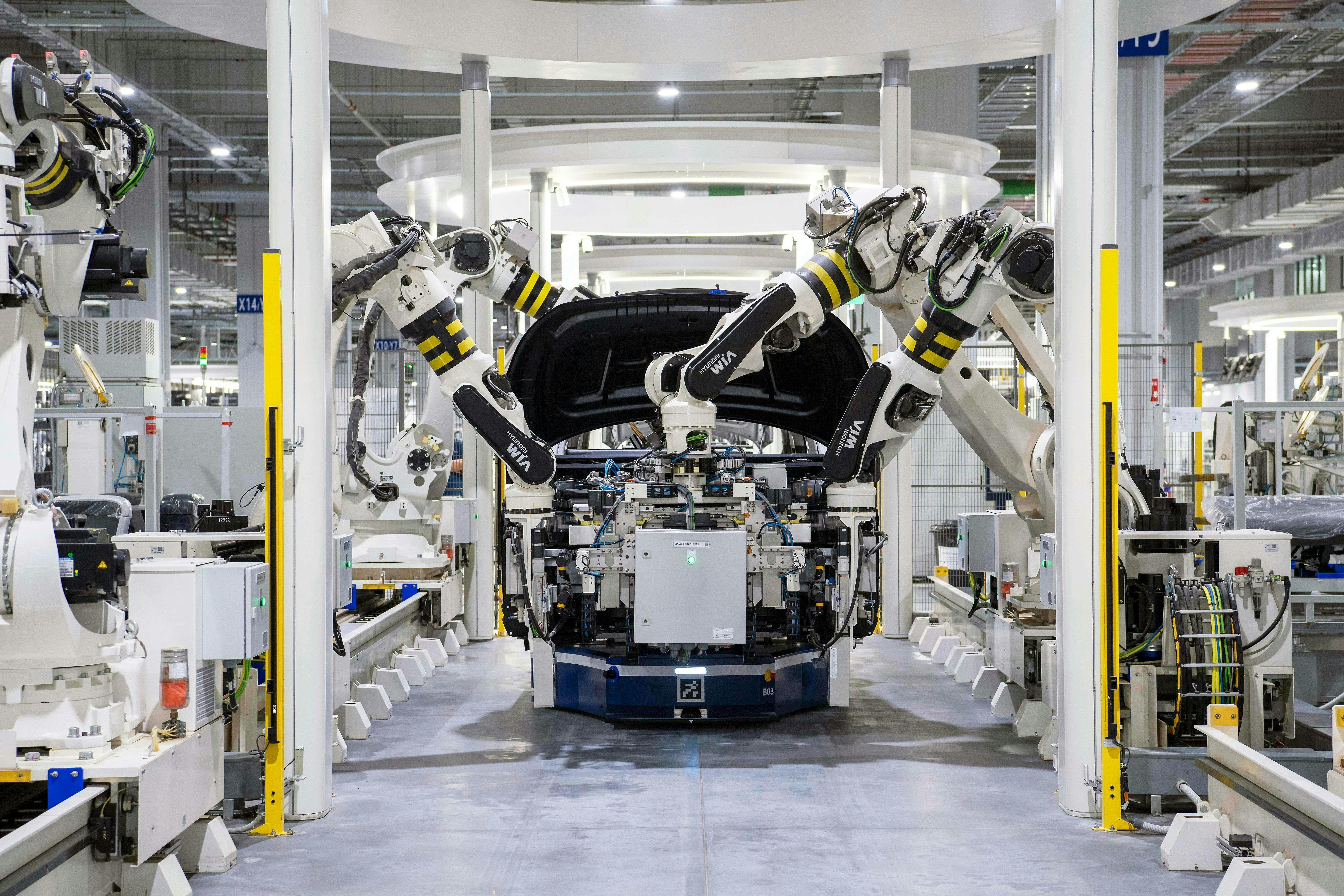
The Manufacturing Revolution: How Generative AI is Transforming Production
Manufacturing is undergoing a profound transformation through generative artificial intelligence. This new technology is reshaping how factories operate, decisions are made, and products are manufactured. The impact extends far beyond basic automation, creating truly intelligent production environments.
Understanding the Shift Traditional manufacturing relies on fixed processes and reactive problem-solving. Generative AI introduces a new paradigm where production systems actively learn, adapt, and improve. This technology analyzes vast amounts of production data to make real-time decisions, predict outcomes, and optimize operations continuously.
Production Intelligence Redefined The heart of this transformation lies in how manufacturing decisions are made. Generative AI enables production scheduling that adapts to real-world conditions. Instead of rigid production plans, manufacturers now deploy systems that understand and respond to changing circumstances. These systems learn from every production run, continuously refining their understanding of optimal operations
Quality and Maintenance Evolution Quality control has evolved from spot-checking to continuous intelligent monitoring. Generative AI analyzes production patterns to identify potential quality issues before they occur. This proactive approach represents a fundamental shift from traditional quality control methods.
Similarly, maintenance has transformed from scheduled interventions to intelligent prediction. Systems now understand the complex relationships between equipment performance, production demands, and maintenance needs. This understanding enables precise, timely maintenance that maximizes equipment lifespan while minimizing disruption.
Implementation Insights Successful implementation of generative AI in manufacturing requires a structured approach. Organizations need robust data infrastructure to capture and process production information effectively. Teams must be trained to work alongside these intelligent systems, understanding both their capabilities and limitations.
Future Manufacturing Landscape The manufacturing sector is moving toward fully integrated intelligent operations. Production lines will communicate seamlessly, sharing insights and optimizing collectively. This interconnected intelligence will enable unprecedented levels of efficiency and innovation in manufacturing.
Strategic Considerations For manufacturing leaders, embracing generative AI is becoming a strategic necessity. The technology offers significant competitive advantages in efficiency, quality, and adaptability. However, success requires careful planning, clear objectives, and a commitment to digital transformation.
Practical Impact The real-world impact of generative AI in manufacturing manifests in smoother operations, reduced downtime, and improved product quality. Manufacturing teams can focus on strategic decisions while AI handles routine optimization and monitoring tasks.
Generative AI is not just enhancing manufacturing—it's fundamentally changing how production works. As this technology continues to evolve, its role in shaping the future of manufacturing becomes increasingly central.
With over 100 successful AI implementations and multiple awards for technological innovation, Halfspace brings proven expertise to manufacturing's AI transformation. Their data-driven approach and team of world-class experts help manufacturers build intelligent production systems that optimize operations, predict maintenance needs, and enhance quality control. Born from sports analytics, Halfspace's real-time decision-making capabilities are perfectly suited for modern manufacturing's dynamic needs.