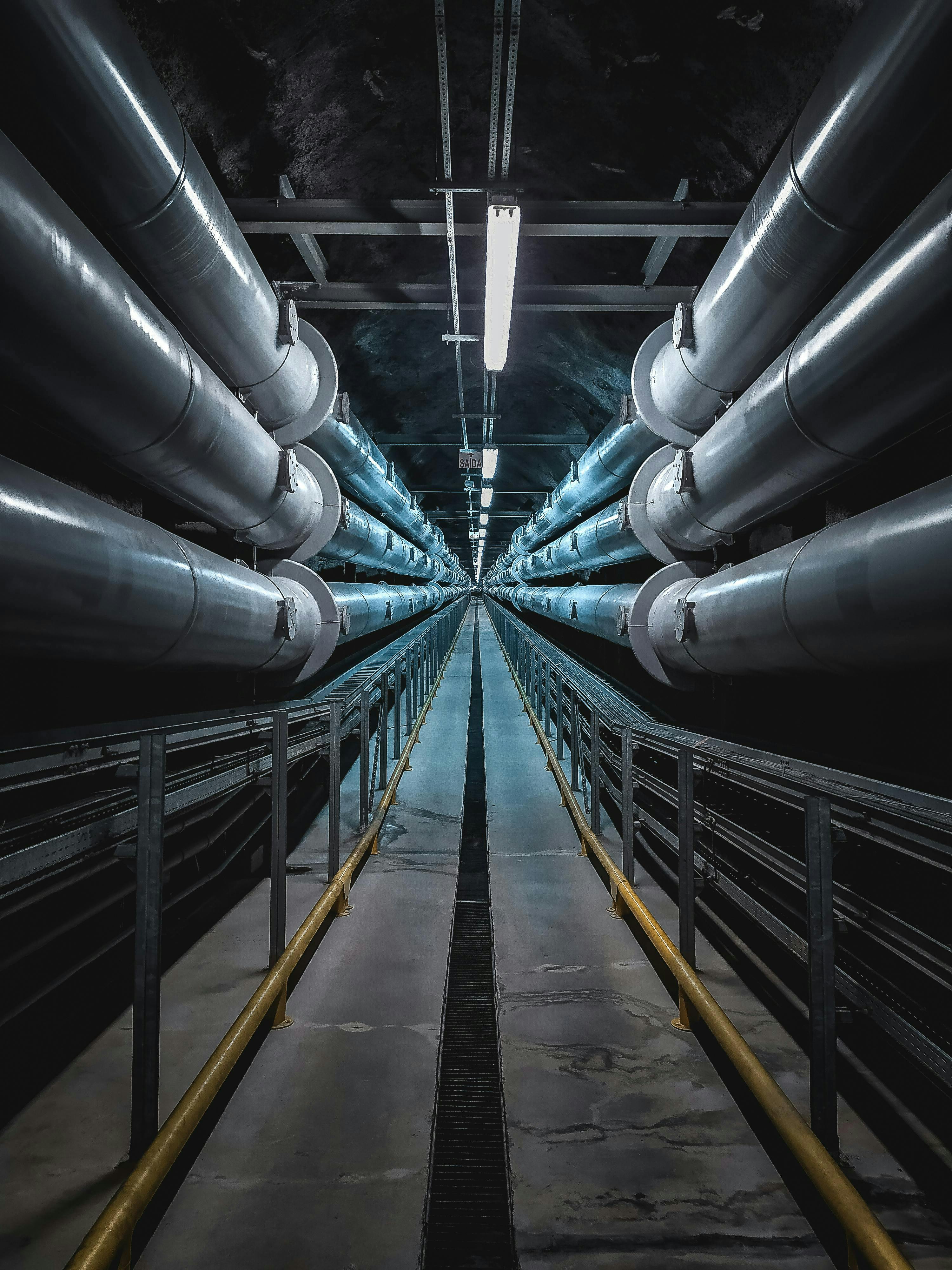
As energy systems navigate unprecedented transformation amid decarbonization imperatives, artificial intelligence emerges as a fundamental force reshaping operational frameworks, grid management, and resource optimization. This comprehensive analysis explores how AI technologies are revolutionizing the energy and utilities sector through enhanced predictive capabilities, automated processes, and strategic innovation.
Strategic Market Dynamics
The convergence of AI and energy operations represents a pivotal shift in industry advancement. Leading utilities are transcending traditional automation, embracing sophisticated machine learning systems that deliver unprecedented analytical depth and operational precision. This transformation demands robust frameworks balancing innovation with grid stability and sustainability goals.
Core Implementation Architecture
Advanced AI Integration Framework:
- Grid Intelligence Systems
- Demand Response Optimization
- Asset Performance Management
- Sustainability Integration
- Predictive Maintenance Protocols
Key Value Drivers:
Intelligent Grid Management
Modern AI systems process complex grid indicators, consumption patterns, and renewable integration trends to generate sophisticated operational insights. This capability enables precise load balancing, outage prevention, and resource optimization while maintaining grid stability.
Asset Performance Enhancement
AI-driven analytics continuously evaluate and optimize infrastructure performance, incorporating:
- Predictive maintenance scheduling
- Asset lifecycle optimization
- Real-time performance monitoring
- Resource allocation efficiency
Sustainability and Efficiency Architecture
Contemporary AI platforms excel at energy optimization through sophisticated analysis of consumption patterns, renewable integration, and grid stability metrics, enabling proactive sustainability management.
Emerging Technology Trajectories
Smart Grid Enhancement
AI platforms demonstrate increasing sophistication in grid management and renewable integration, enabling proactive intervention strategies that optimize energy distribution and storage.
Demand Response Optimization
Machine learning algorithms continue to advance in consumption analysis capabilities, responding to demand variables with increasing precision and adaptability.
Implementation Strategy Framework
Organizations pursuing AI integration must prioritize:
Infrastructure Development
Successful AI deployment requires robust data management architectures capable of processing diverse utility data types while maintaining operational reliability.
Capability Enhancement
Continuous team development programs focused on AI tool utilization and grid optimization maximize technology investment value.
Strategic Sustainability Management
Comprehensive transformation strategies must address both technical implementation and environmental sustainability requirements.
Market Outlook
As AI capabilities mature, utility organizations must view this technology not merely as an operational tool, but as a strategic imperative requiring thoughtful, measured implementation approaches. Success demands balanced strategies that combine technological innovation with robust sustainability and reliability frameworks.
The path forward requires organizational commitment to continuous learning, adaptation, and strategic refinement as AI capabilities evolve and new opportunities emerge in the energy landscape.
Ready to Transform Your Energy Operations?
At Halfspace, we specialize in turning these AI possibilities into your operational reality. Our expert team crafts practical, value-driven AI solutions that enhance your utility operations while maintaining strict reliability and sustainability standards. Together, we'll architect your next-generation energy management platform.